Window Cleaning Business Legal Requirements UK (2026 Checklist)
No licence, but plenty of duties. Here's the compliance checklist for starting a UK window cleaning business properly.
Practical guides on quoting, pricing and running a window cleaning business, written and reviewed by the Squeegify team.
You do not need a licence to clean windows in the UK, but you do need to register as self-employed or form a company, keep records for tax, hold public liability insurance in practice, follow working-at-height rules, and handle customer details lawfully. This is a general checklist rather than legal advice: check the current rules with HMRC, HSE and your insurer before you trade.
Registration and tax
- Register as a sole trader with HMRC, or set up a limited company at Companies House.
- File a Self Assessment return each year and keep receipts and mileage records.
- Watch the VAT registration threshold as you grow, especially with commercial work.
- Set up a separate business bank account from day one: it makes everything else easier.
Insurance
- Public liability: expected by nearly every customer and essential for commercial contracts.
- Employers' liability: legally required as soon as you employ anyone.
- Tools and equipment cover, including theft from the van.
- Commercial vehicle insurance with business use: private cover will not do.
Working at height and safety
- Working at Height Regulations apply to ladders: you must plan, assess and use the safest reasonable method.
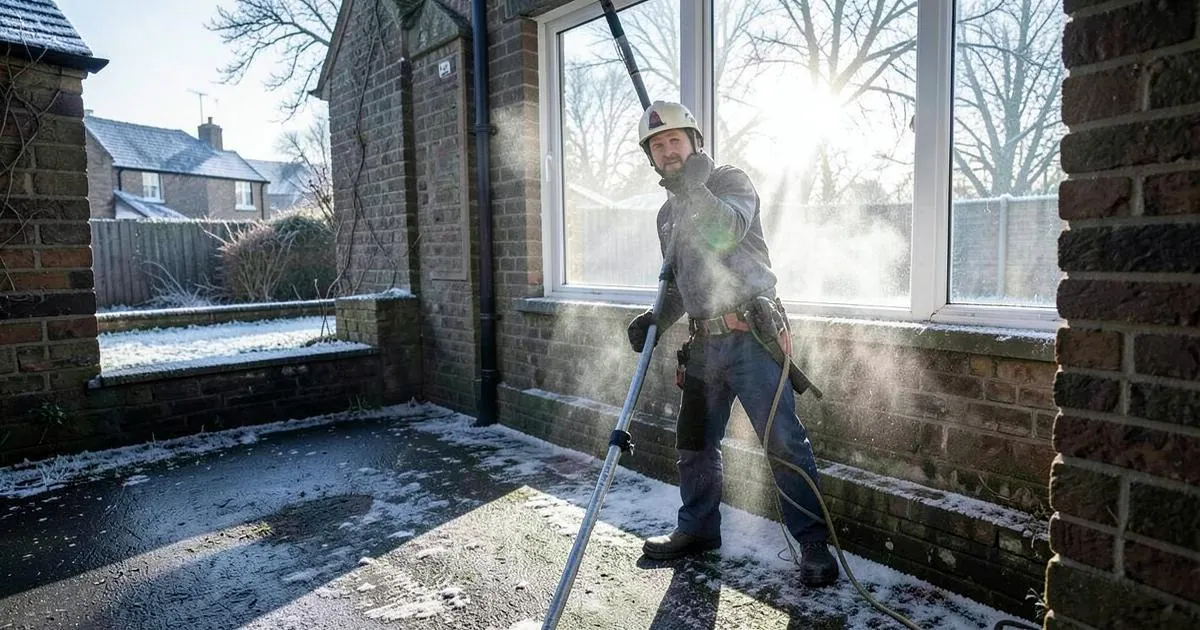
- Water-fed poles from ground level are the standard safe approach for most domestic upper floors.
- Write simple risk assessments and method statements; commercial clients will ask for them.
- Ladder training and records matter if you use ladders at all, particularly with staff.
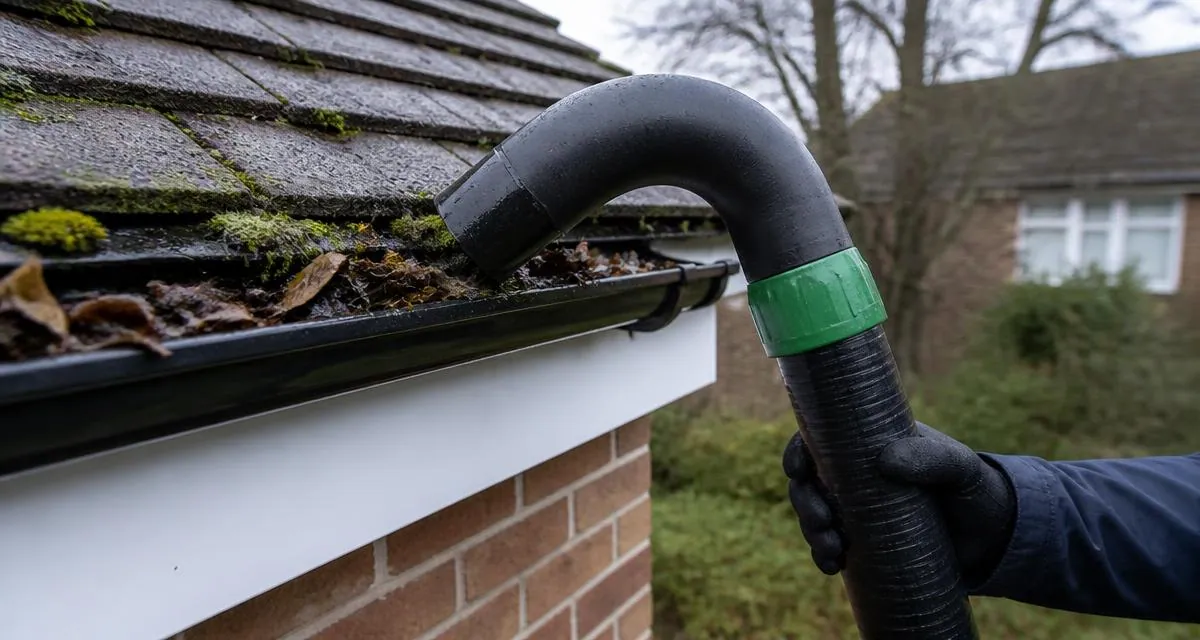
Speak to your water supplier about how you draw and store water, and never let cleaning run-off go into a surface water drain if you use chemicals. Gutter and roof waste must be disposed of properly, not left on the customer's garden.
Customer data
- Only collect what you need: name, address, contact details, access notes.
- Have a plain-English privacy notice on your website explaining what you store and why.
- Keep records in a proper system rather than a phone notes app, and remove ex-customers when they ask.
- Get consent before adding anyone to marketing messages.
The practical starting order
- Register with HMRC.
- Arrange public liability cover.
- Open a business bank account.
- Sort insurance and business use on the van.
- Write your risk assessment and privacy notice.
- Then start quoting: with a website that collects details properly instead of scribbled notes.
Put what you just read to work while you're out cleaning.
You came here to get better at the trade. Squeegify turns that knowledge into a quote form on your own website, so visitors price themselves, book a slot, and drop into your inbox while you're on the ladder. No more lost enquiries because you couldn't answer the phone.