How to Keep Window Cleaning Income Steady Through the Year
Feast in summer, famine in the off-season is a choice, not a law. Here's how to build a round that pays steadily all year, whatever the weather does.
Writes about pricing, business planning and growth for window cleaners.

Plenty of window cleaners ride a rollercoaster: flat out when the sun's out and new enquiries pour in, then anxious in the quiet season when the phone goes silent and the weather keeps them in. The swing feels inevitable, but most of it is actually a by-product of how the round is built. A round designed for steadiness pays the bills every month, not just the busy ones. Here's how to build one.
Why income swings in the first place
Two things drive the rollercoaster: demand that rises and falls with the seasons, and a round that leans too heavily on one-off jobs won on impulse. When most of your work is new customers who wanted a one-time clean, a quiet spell in new enquiries means a quiet spell in income. The fix is to make your baseline revenue come from work that's already booked, so the seasonal demand sits on top rather than being the whole picture.
1. Build a base of recurring work
Recurring customers are the ballast that keeps income level. A round that's mostly regulars has a predictable floor every month regardless of how many new enquiries arrive. The single highest-leverage thing you can do for steadiness is convert more first cleans into standing bookings — the whole method is in turning one-off cleans into regular customers.
2. Use frequency to flatten the curve
Frequency is a scheduling tool, not just a pricing one. A mix of four-weekly and eight-weekly customers, spread so they don't all fall due in the same fortnight, gives you a more even flow of work week to week. Default new customers to a tighter, regular frequency and your calendar fills itself in advance — the busiest season tops up an already-full baseline instead of being the only time you earn.
If half your round comes due in the same week, you'll always have feast-and-famine inside the month too. When you add customers, aim to balance due dates across the weeks so each week carries a similar load — the round runs calmer and the money arrives more evenly.
3. Add services that pay in the quiet months
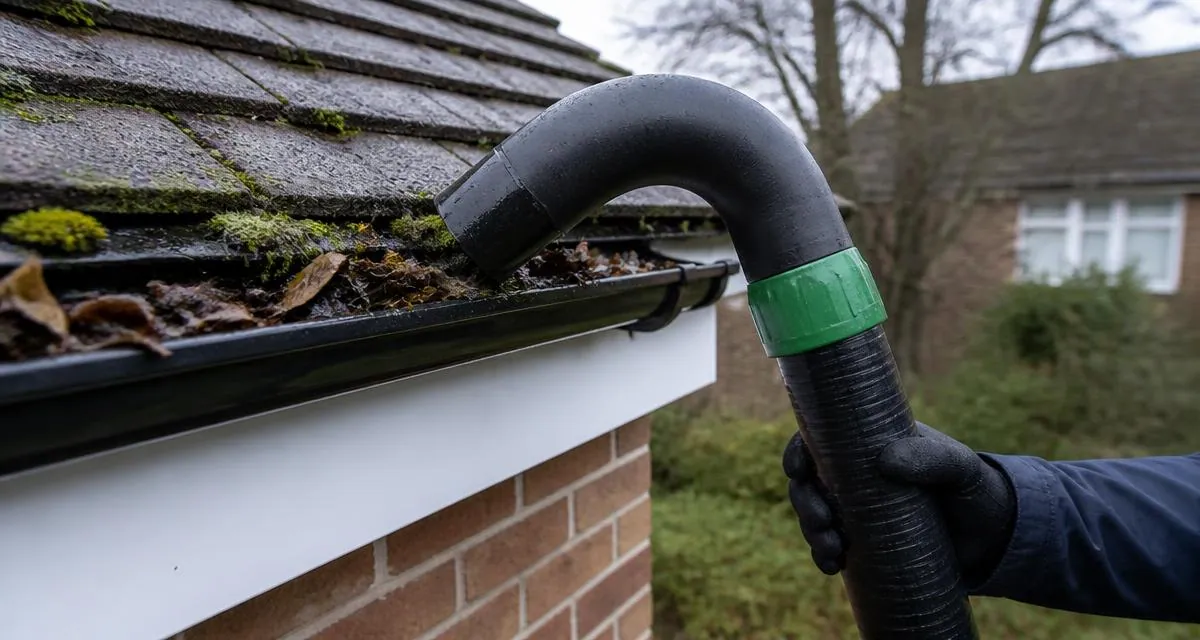
The off-season for one type of work is often peak season for another. Gutter clearing before and after leaf-fall, conservatory roofs, fascias, and pressure washing all let you earn when pure window demand dips. Layering in a seasonal add-on or two turns a slow month into a productive one — see add-on services that increase revenue for which ones fit.
4. Keep quoting even when you're busy
The classic trap is to stop chasing or answering enquiries when work is plentiful — then the pipeline runs dry exactly as the season turns. Keep capturing leads all year, even in the busy stretch, so there's always work queued for the quiet one. Instant quoting helps here: enquiries get priced and captured around the clock without stealing time you don't have, which is why instant quotes convert more leads.
- Never switch off your quote form in peak season — bank the leads for later.
- Carry a small waiting list so a cancellation or a quiet week is filled fast.
- Keep your visibility up year-round, not just when you need work — reviews and local presence take time to build.
5. Smooth the weather, not just the seasons
Short-term, the weather is the disruptor — a washout week throws the schedule out. The answer is a round resilient enough to absorb it: regular customers who expect you back, a buffer of flexible days to catch up, and enquiries that keep converting on the days you can't get out. You can't control the forecast, but you can build a round that doesn't live or die by it.
6. Keep a cash buffer
Even a well-built round has some rhythm to it. A simple cash buffer — a few weeks of running costs set aside in the good months — turns a lean spell from a crisis into a non-event. Treat it as a fixed cost of running the business, not spare money, and the quiet season stops being something to dread.
Steady income is mostly a design problem: a base of regulars, frequencies spread across the weeks, seasonal services layered on, quoting that never stops, and a buffer underneath. Get those right and the year stops being feast-and-famine. You can see how recurring frequencies and quoting work in the demo.
Put what you just read to work while you're out cleaning.
You came here to get better at the trade. Squeegify turns that knowledge into a quote form on your own website — so visitors price themselves, book a slot, and drop into your inbox while you're on the ladder. No more lost enquiries because you couldn't answer the phone.