How to Get Commercial Window Cleaning Contracts (2026)
Commercial work pays monthly, in bulk, by bank transfer. Here's how small cleaners actually win contracts without a sales team.
Practical guides on quoting, pricing and running a window cleaning business, written and reviewed by the Squeegify team.
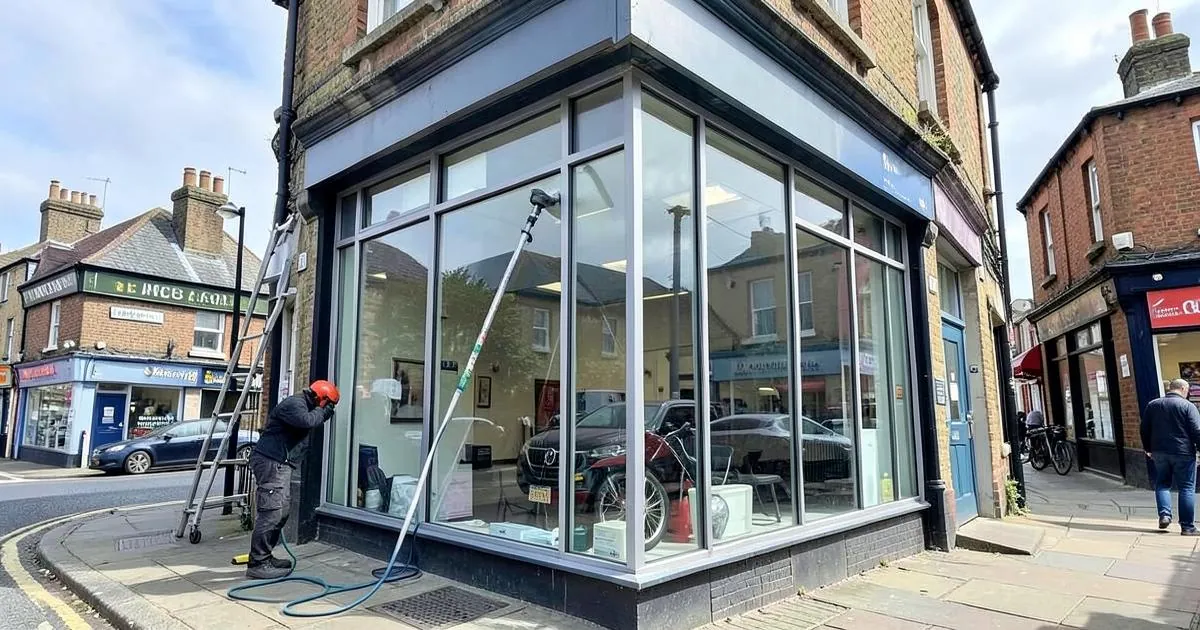
Most commercial window cleaning contracts are won by turning up in person, quoting in writing within 24 hours, and having your insurance and method statement ready to attach. There is rarely a tender. The decision usually sits with a shop manager, office manager, publican or facilities co-ordinator who wants the job off their desk.
Who to approach first
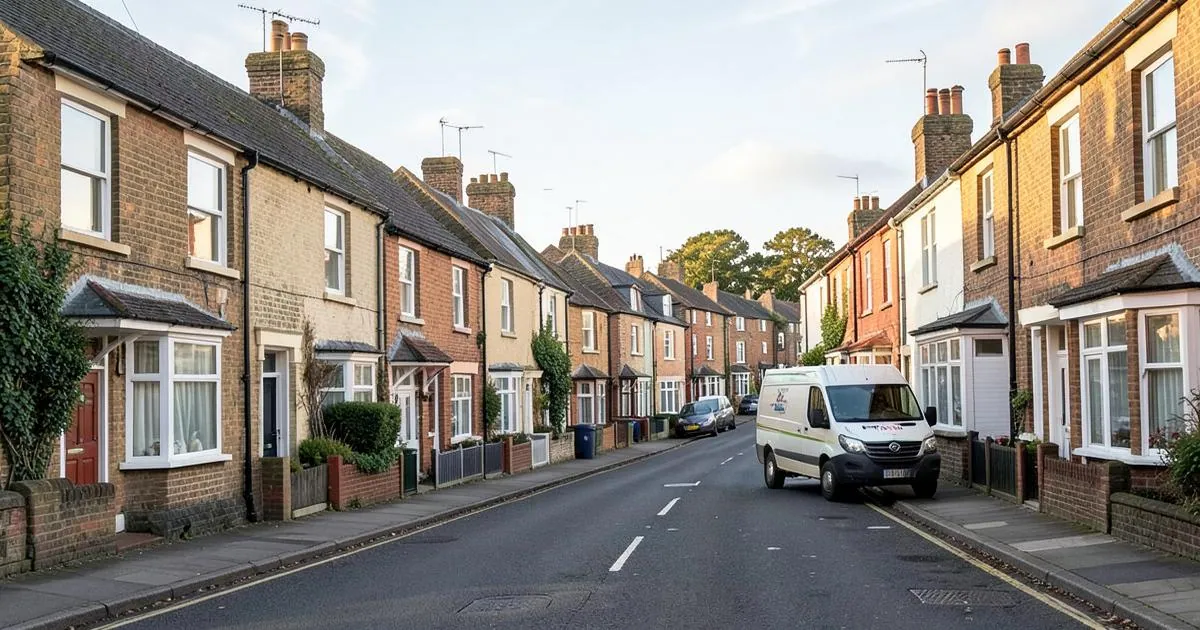
- Shops and salons on one high street: a run of 15 storefronts becomes a weekly hour you can bank.
- Pubs, cafés and restaurants: usually weekly or fortnightly, and they care about looking clean at opening.
- Small offices and business parks: monthly, and often willing to bundle internal glass.
- Care homes, dental and veterinary practices: reliable payers on regular cycles.
- Estate and letting agents: one relationship can generate steady void-property work.
The approach that works
- Walk the street mid-morning, when managers are on shift but not in the rush.
- Ask one question: who looks after the windows here?
- Leave a card, take a name and an email address; the email address is the point of the visit.
- Send a written price the same day while you're still fresh in their mind.
- Follow up once after a week. Once. Then move on and revisit in three months.
Commercial buyers have to justify a spend to someone else. A verbal price can't be forwarded. A clear written quote with frequency, price, and what's included usually gets approved on the spot.
How to price commercial work
Price on time on site plus access difficulty, not per pane. Time the first clean, add your travel and setup, and then apply the frequency: weekly work should be cheaper per visit than monthly because you're already on the street and the glass stays easy. Typical UK storefront work runs £8-£25 per visit for a small shopfront and rises steeply with height, internal glass and out-of-hours access.
Paperwork buyers ask for
- Public liability insurance certificate: £2m minimum, £5m for many larger sites.
- Risk assessment and method statement (RAMS) for the site.
- Proof of safe working at height, and training records if you have staff.
- Waste water and COSHH notes for any chemicals used.
Keep the contract once you've won it
Turn up on the same day each cycle, message when you're on the way, and invoice on the same date every month. Commercial customers rarely leave over price. They leave because someone stopped showing up predictably.
Make the quote instant
Where domestic and small commercial enquiries land on your website, the fastest route from enquiry to job is a price the visitor can generate themselves. Squeegify prices against your rules on your own site, so the follow-up conversation starts with a number rather than a callback promise.
Put what you just read to work while you're out cleaning.
You came here to get better at the trade. Squeegify turns that knowledge into a quote form on your own website, so visitors price themselves, book a slot, and drop into your inbox while you're on the ladder. No more lost enquiries because you couldn't answer the phone.