How to Get Paid on Time as a Window Cleaner (UK Guide)
Chasing money is the worst part of the job. Here's how to set payment up so it mostly stops happening.
Practical guides on quoting, pricing and running a window cleaning business, written and reviewed by the Squeegify team.
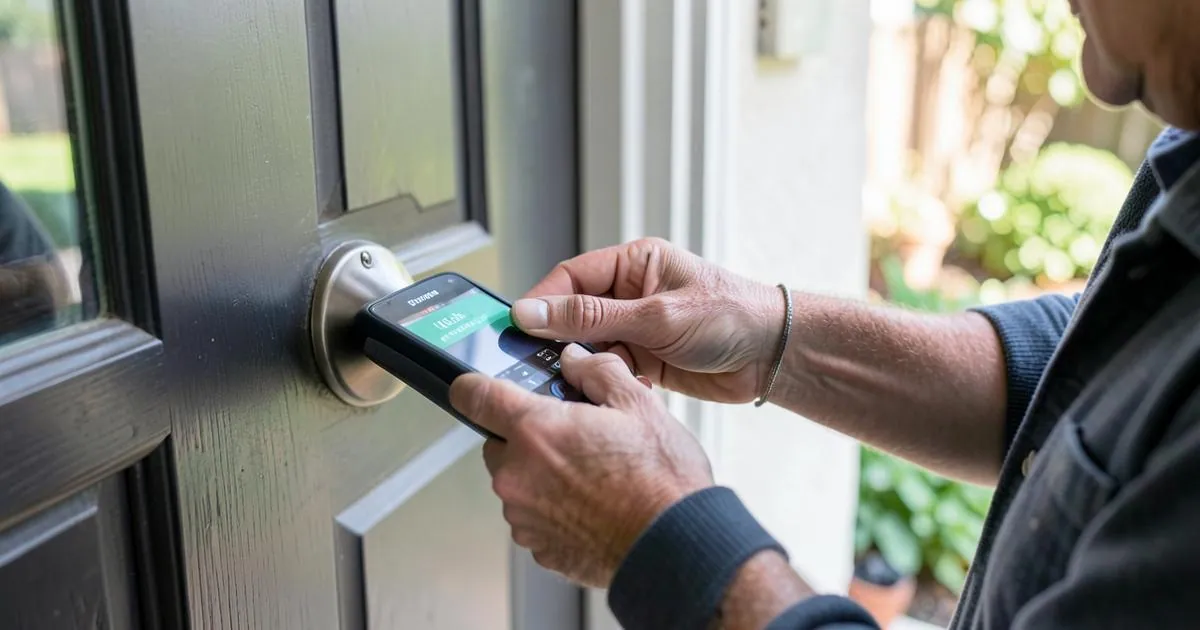
The reliable way to get paid as a window cleaner is to decide how payment works before the first clean, not after it. Direct debit collected automatically after each visit is now the standard for domestic rounds; card links and bank transfer on the day work well too. Cash-when-I-catch-you is the single biggest cause of unpaid work in the trade.
Payment methods compared
- Direct debit: collected automatically after each clean, lowest chasing, small per-transaction fee. Best for regular rounds.
- Card link or tap-to-pay: instant, good for one-offs, add-ons and first cleans.
- Bank transfer on the day: free, but relies on the customer remembering.
- Cash: fine occasionally, but it forces you to revisit and to bank it.
Set the terms up front
- State payment terms in the quote itself: due on the day of the clean.
- Take payment details at signup, not at the first visit.
- Send a short 'cleaned today' message with the amount and a payment link.
- Set a rule for when you pause a customer: two unpaid cleans is the common line.
Ask for payment details at the moment someone accepts the quote. It costs nothing, feels completely normal to the customer, and removes almost all future chasing.
Chasing without the awkwardness
Keep it factual, short and unemotional. Two messages, then a call:
"Hi Mary, just a reminder that Tuesday's clean (£24) is still outstanding. You can pay with the link below, or by transfer to the details on your invoice. Thanks!"
If a second reminder goes unanswered, ring once. If that fails, remove them from the round and tell them you have. Most people who genuinely intended to pay will settle at that point.
Stop unpaid work at the source
- Never start a large first clean without payment details on file.
- Charge upfront for one-off jobs from new customers.
- Send the invoice the same day, not at the end of the month.
- Track who is late: a repeat pattern is a customer to release, not to chase.
Where quoting helps
When a customer accepts an online quote, you can capture their contact and payment preference in the same step. The quote, the booking and the payment arrangement all happen while they are keen, instead of three separate conversations spread over a fortnight.
Put what you just read to work while you're out cleaning.
You came here to get better at the trade. Squeegify turns that knowledge into a quote form on your own website, so visitors price themselves, book a slot, and drop into your inbox while you're on the ladder. No more lost enquiries because you couldn't answer the phone.